
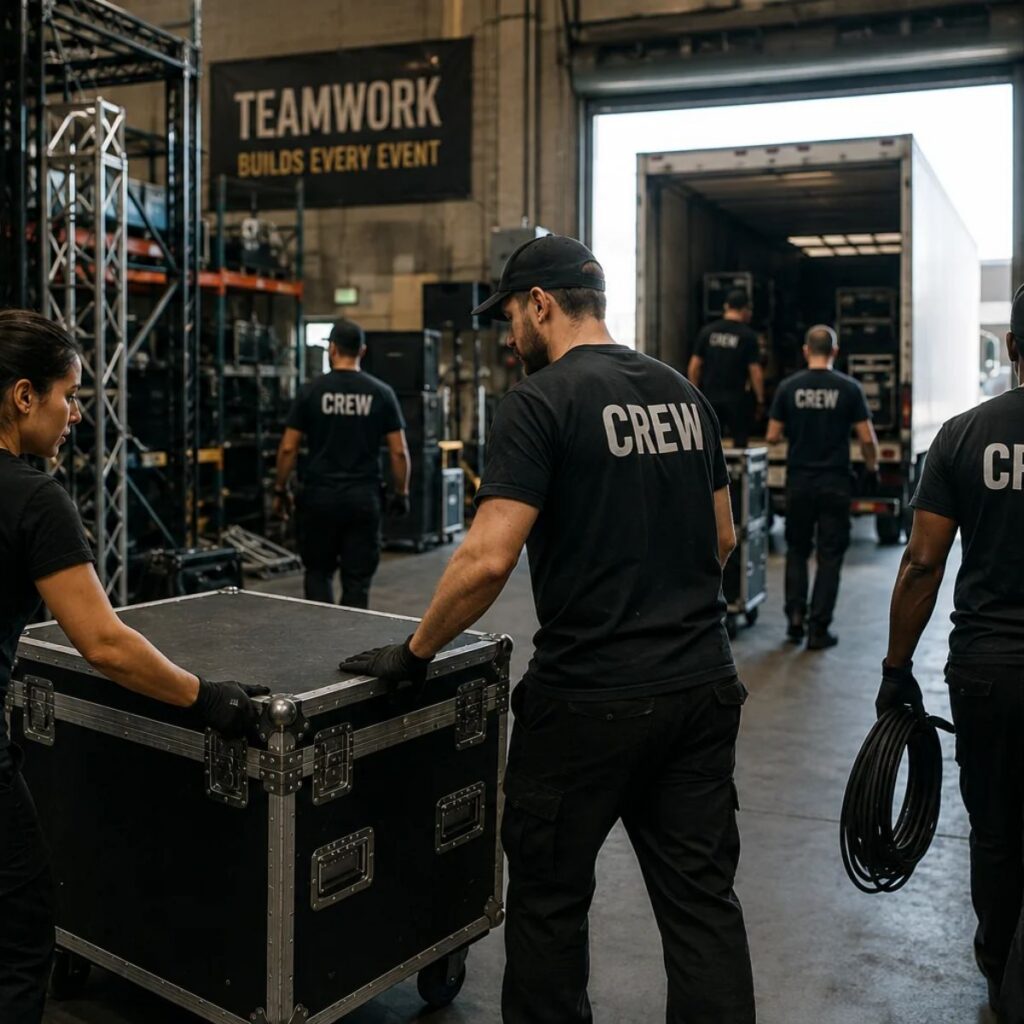
Labor is one of the biggest expenses for event rental companies, AV production teams, tent rental businesses, and event venues. From warehouse preparation and delivery crews to on-site technicians and event staff, managing labor efficiently can have a direct impact on profitability.
The challenge is finding ways to control labor costs without overworking your team or compromising the customer experience.
The good news? Better planning, smarter scheduling, and the right software can help your business make the most of every labor hour.
Here are three practical ways to reduce event labor costs while keeping your operations running smoothly.
1. Improve Labor Scheduling and Planning
Inefficient scheduling can lead to unnecessary overtime, underutilized employees, and last-minute staffing challenges. When labor assignments are managed through spreadsheets, emails, or disconnected systems, it becomes harder to see the full picture.
A more organized scheduling process helps ensure the right people are assigned to the right jobs at the right time.
How to improve labor efficiency:
- Plan ahead. Schedule crews as early as possible to reduce last-minute staffing decisions and avoid unnecessary overtime.
- Match skills to job requirements. Assign employees based on their experience, qualifications, and the needs of each event.
- Balance workloads. Review employee availability and existing assignments before adding shifts or bringing in additional staff.
- Reduce scheduling conflicts. Maintain a clear view of who is working, when they are working, and where they need to be.
When your team has visibility into upcoming events and labor requirements, you can make better staffing decisions before costs start adding up.
2. Reduce Manual Work and Improve Communication
Labor costs aren’t limited to wages. Time spent tracking down employees, correcting scheduling mistakes, communicating job changes, and manually entering information can also eat into productivity.
When job details are spread across emails, text messages, spreadsheets, and separate systems, employees may not have the information they need to do their jobs efficiently.
Centralizing labor information helps reduce administrative work and keeps everyone on the same page.
Ways to streamline your workflow:
- Share schedules, job details, contacts, and updates in one accessible location.
- Give employees clear information about their assignments before arriving on-site.
- Minimize duplicate data entry between scheduling, inventory, and job management systems.
- Make schedule changes easier to communicate to the entire crew.
- Use reporting to identify recurring delays, scheduling gaps, and opportunities to improve efficiency.
The less time your team spends searching for information or resolving avoidable issues, the more time they can spend on productive work.
3. Use Labor Data to Make Better Business Decisions
You can’t effectively manage what you can’t measure. Without reliable labor data, it can be difficult to understand which jobs are profitable, where overtime is occurring, or whether staffing levels align with actual business needs.
Tracking labor performance over time gives managers the insight they need to make informed decisions instead of relying on guesswork.
Focus on key labor metrics such as:
- Labor cost per job: Understand how staffing expenses affect individual job profitability.
- Overtime hours: Identify patterns that may indicate scheduling or workload issues.
- Planned versus actual labor hours: Compare estimates with actual time spent to improve future planning.
- Employee utilization: Evaluate how effectively your available workforce is being scheduled.
- Labor cost as a percentage of revenue: Monitor whether labor expenses are growing faster than sales.
Reviewing these metrics regularly can help you identify where adjustments will have the greatest impact. For example, if certain types of jobs consistently require more labor than expected, you can refine estimates, adjust crew sizes, or improve preparation processes.
Over time, data-driven decisions can help reduce waste, improve forecasting, and protect your profit margins.
Take Control of Your Labor Operations with IntelliEvent
Managing labor shouldn’t mean juggling spreadsheets, chasing down employees, or piecing together schedules from multiple sources.
The IntelliEvent Labor Module is designed to help event rental and production companies simplify the way they manage their workforce. With tools to organize crew schedules, manage employee contacts, share job details, and access valuable labor reporting, your team can spend less time on administrative tasks and more time focused on getting the job done.
Whether you’re coordinating a small crew or managing labor across multiple warehouses and locations, having labor information connected to your overall business operations can make a significant difference.
Want to see how better labor management can improve your business?
Explore the IntelliEvent Labor Module and discover how smarter scheduling and better visibility can help you take control of labor operations.